

Call us now
08037735153

 Send Inquiry
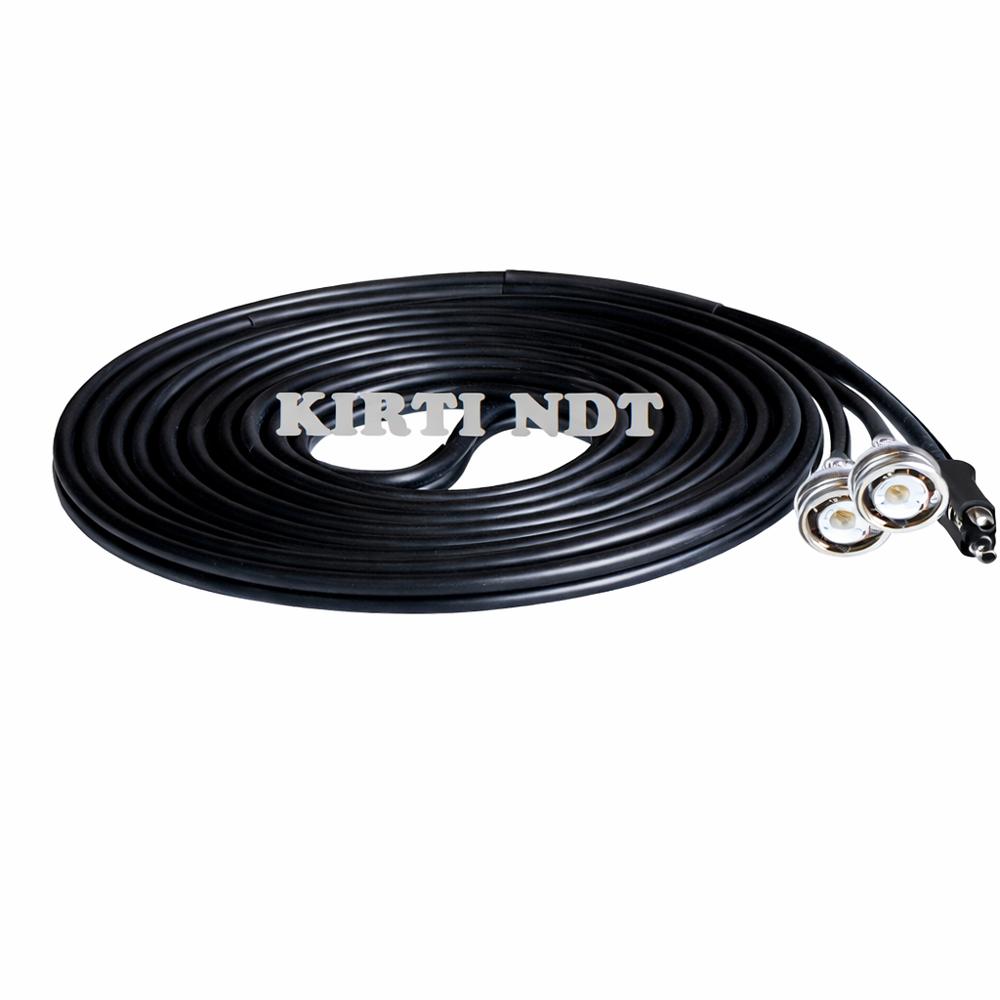
Socket Mini Lemo Connector To Dual BNC Connector Cable
Price 3200.0 INR/ Piece
MOQ : 10 Pieces
Socket Mini Lemo Connector To Dual BNC Connector Cable Specification
- Temperature
- -20C to +60C
- Equipment Type
- Connector Cable
- Accuracy
- High
- Application
- Signal Transmission, Laboratory, Test & Measurement
- Operating Voltage
- Low Voltage
- Port Size
- Mini Lemo, Dual BNC
- Humidity
- 0-95% RH (non-condensing)
- Automation Grade
- Manual
- Response Time
- Instantaneous
- Frequency
- DC to 10 MHz
- Features
- Shielded, Flexible, Durable, High Signal Integrity
- Mounting Type
- Cable Mount
- Interface Type
- Mini Lemo (Female) to Dual BNC (Male)
- Usage
- Data Acquisition, Oscilloscope, Instrumentation
- Machine Weight
- 45 g
- Control Mode
- Manual
- Cable Length
- 1 meter (custom lengths available)
- Packaging Type
- Polybag
- Connector Gender
- Socket (Female) Mini Lemo, Plug (Male) BNC
- Impedance
- 50 Ohm
- RoHS Compliant
- Yes
- Shielding Type
- Braided Shield
- Color
- Black
- Cable Material
- PVC Insulated, Copper Core
- Contact Material
- Gold-plated Brass
- Flame Retardant
- Yes
- Manufacturer Warranty
- 6 Months
Socket Mini Lemo Connector To Dual BNC Connector Cable Trade Information
- Minimum Order Quantity
- 10 Pieces
- Supply Ability
- 500 Pieces Per Month
- Delivery Time
- 7 Days
About Socket Mini Lemo Connector To Dual BNC Connector Cable
We supply/Manufature Dual BNC to Mini Lemo Socket Connector Cable, Specially use for T/R Probe. The Socket Mini LEMO Connector to Dual BNC Connector Cable is a specialized cable designed for precise signal transmission and professional applications.- Connector Type: One end features a mini LEMO socket, while the other end has dual BNC connectors.
- Purpose: Ideal for splitting signals from a single LEMO output to two BNC inputs.
- Compatibility: Used with medical devices, lab equipment, broadcast systems, and test instruments.
- Material: High-quality shielded cable ensures durability and signal integrity.
- Signal Quality: Provides low-noise transmission with minimal interference.
- Locking Mechanism: LEMO connector features a push-pull locking system for secure attachment.
- Flexibility: High-flex cable design allows easy routing in tight spaces.
- Length Options: Available in various lengths to suit different application needs.
- Impedance Matching: BNC connectors are typically 50 or 75, ensuring proper signal transfer.
- Applications: Commonly used in oscilloscopes, audio-video setups, and high-frequency test equipment.
Key Features for Reliable Performance
This connector cable boasts a flexible build and durable, flame-retardant PVC insulation to guarantee high signal integrity. The gold-plated brass contacts ensure precise data transmission, while the braided shield protects against electromagnetic interference. Adhering to RoHS standards, the cable offers both safety and long-lasting performance in demanding laboratory and test applications.
Versatile Applications Across Industries
Specifically crafted for laboratory, data acquisition, oscilloscope, and instrumentation tasks, this cable delivers accurate and instantaneous signal transmission. Its compatibility with low-voltage systems and Mini Lemo to Dual BNC interfaces makes it an ideal option for automation and manual testing environments in research, manufacturing, and service sectors.
FAQ's of Socket Mini Lemo Connector To Dual BNC Connector Cable:
Q: How do I use the Socket Mini Lemo Connector to Dual BNC Connector Cable in laboratory or test setups?
A: Simply connect the Mini Lemo (female) end to your compatible measurement equipment and plug the Dual BNC (male) ends into devices such as oscilloscopes or data acquisition modules. The flexible, shielded design ensures accurate and interference-free signal transmission during use.Q: What is the benefit of braided shielding and gold-plated brass contacts?
A: The braided shield provides robust protection from electromagnetic interference, ensuring high signal integrity. Gold-plated brass contacts minimize resistance and enhance connectivity, offering stable and precise data transfer, particularly vital for sensitive laboratory and signal testing tasks.Q: When should I choose custom cable lengths?
A: Custom cable lengths are recommended when your setup requires more flexibility due to unique equipment spacing, or to reduce excess slack that could cause clutter and impedance issues. Contact the manufacturer to specify your desired length for optimal fit and performance.Q: Where can this connector cable be used effectively?
A: This cable is ideal for environments requiring accurate signal transmission, such as research laboratories, test & measurement facilities, and automated equipment interfaces. It's well-suited for manual instrumentation applications and supports humidity ranges from 0-95% RH and temperatures from -20C to +60C.Q: What is the process for ordering and receiving the product in India?
A: You can order the cable through authorized exporters, manufacturers, service providers, suppliers, or traders across India. The product is securely packaged in a polybag to prevent damage, and comes with a 6-month manufacturer warranty for peace of mind.Q: Which equipment types are compatible with the Socket Mini Lemo and Dual BNC connectors?
A: This cable is engineered for interfaces using Mini Lemo (female) and Dual BNC (male) ports, commonly found in oscilloscopes, data loggers, test benches, and other scientific instrumentation requiring high-accuracy and instantaneous response.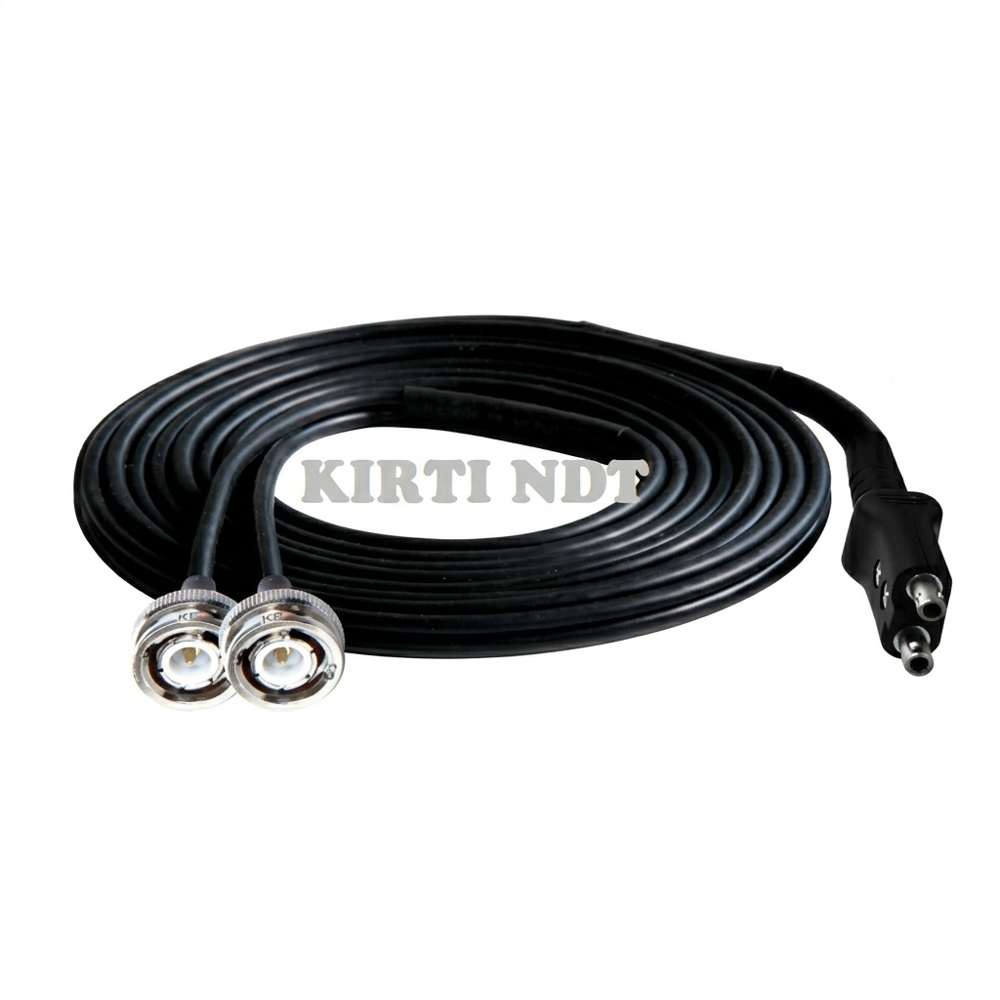
Tell us about your requirement

Price:
Quantity
Select Unit
- 50
- 100
- 200
- 250
- 500
- 1000+
Additional detail
Mobile number
Email

More Products in Ultrasonic Testing Cable Category
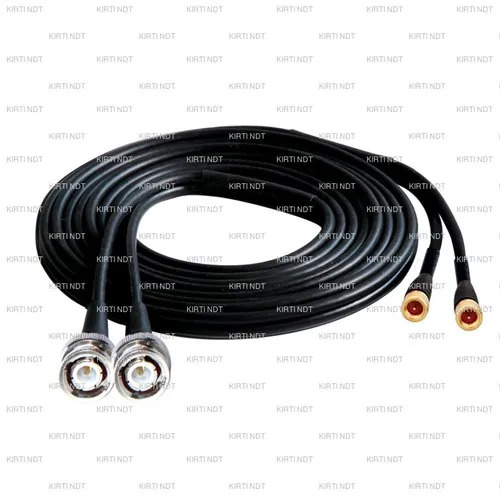
Dual Microdot to Dual BNC Coaxial Cable
Minimum Order Quantity : 1 Piece
Application : Data Transmission / Signal Interface
Port Size : Microdot and BNC connectors
Usage : Oscilloscope, Signal Testing
Equipment Type : Dual Microdot to Dual BNC Coaxial Cable
Features : Customizable length, Shielded
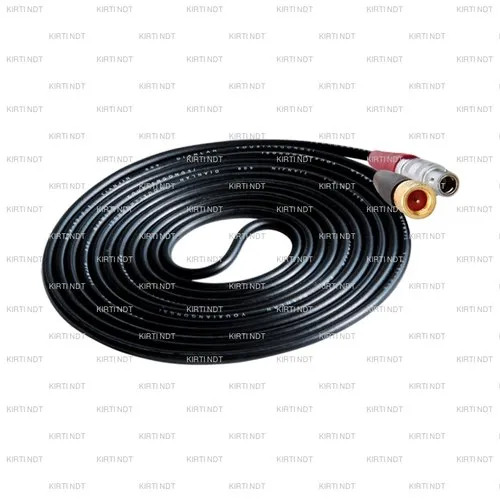
Microdot to Mini Lemo Coaxial Cable
Minimum Order Quantity : 1 Piece
Application : RF Signal Transmision
Port Size : Microdot to Mini Lemo
Usage : Ultrasonic Testing, RF Signal Transmision
Features : RG174 Coaxial Cable
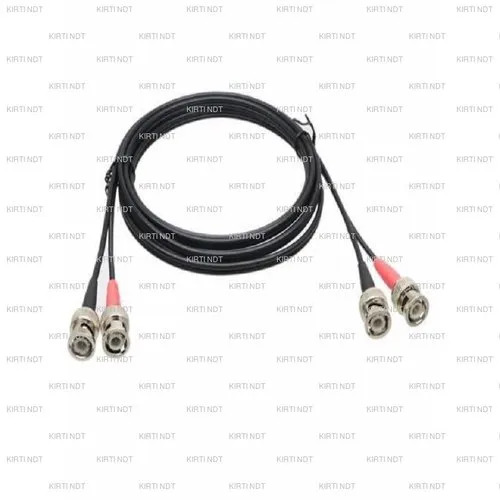
Dual BNC To Dual BNC Connector Coaxial Cable
Minimum Order Quantity : 1 Piece
Application : Ultrasonic Testing, RF Signal Transmission
Port Size : Dual BNC to Dual BNC
Usage : ULTRASONIC TESTING, RF SIGNAL TRANSMISSION
Equipment Type : Coaxial Cable
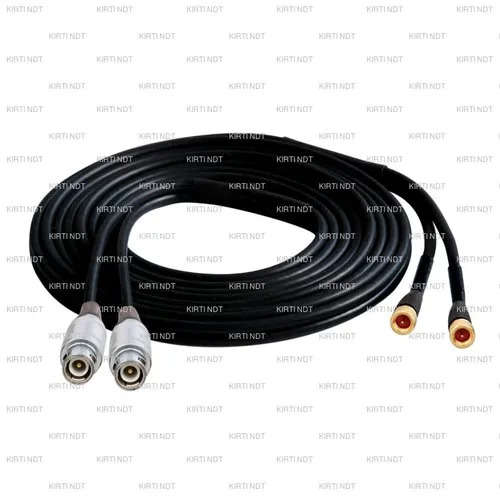
Dual Lemo To Dual Microdot Coaxial Cable
Minimum Order Quantity : 1 Piece
Application : Signal/Data Transmission
Port Size : LEMO to Microdot
Equipment Type : Dual Coaxial Cable

KIRTI NDT AND ENGINEERING SERVICES
GST : 27BLLPP9562M1Z3
GST : 27BLLPP9562M1Z3
Plot No. 707, B-Wing, Shree Sai Raj Park, Rajaji Path Rd, Near Madhavi Bungalow, Dombivli - 421201, Maharashtra, India
Phone :08037735153
 Send Inquiry
- Ultrasonic Testing Cable
- Ultrasonic Testing Probes
- Ultrasonic Calibration Blocks
- Magnetic Particle Testing Equipment And Accessorie
- Non Destructive Testing Services
- Ndt Testing Services
- Cable Connector
- Calibration Services
- Welding Gauge
- Indusrial Measuring And Inspection Gauges
- Ndt Consumables
- Thickness Gauge
- Male And Female Adapter
- Precision Measuring Instruments
- Measuring Instrument
- Digital Anemometer
- Optical Instruments
- X-Ray Film Viewer
- Surface Roughness Tester
- Mpi Accessories
- Magnetic Particle Testing Service
- Metal Hinges
- Connectors Socket
- Probe Casing Housing
- Ultrasonic Probe Shoes And Membranes
- Inspection Mirror
- Magnetic Yoke
- Lux Meter
- RG Coaxial Cable
- Hardness Tester
- Ultra Torch
- Ultrasonic Flaw Detector
- Weight Liffting Block
 Send Inquiry
Kirti NDT & Engineering Services
All Rights Reserved.(Terms of Use)
Developed and Managed by Infocom Network Private Limited.
Developed and Managed by Infocom Network Private Limited.

